
PLA+ filament is an improved type of standard PLA filament and is well known among 3D printing enthusiasts. It has been developed in such a way as to provide better performance while still retaining many of the features that make PLA so easy to use. However, what exactly is PLA+ filament, what does it consist of, and how should it be looked after? Let’s look at the basics.
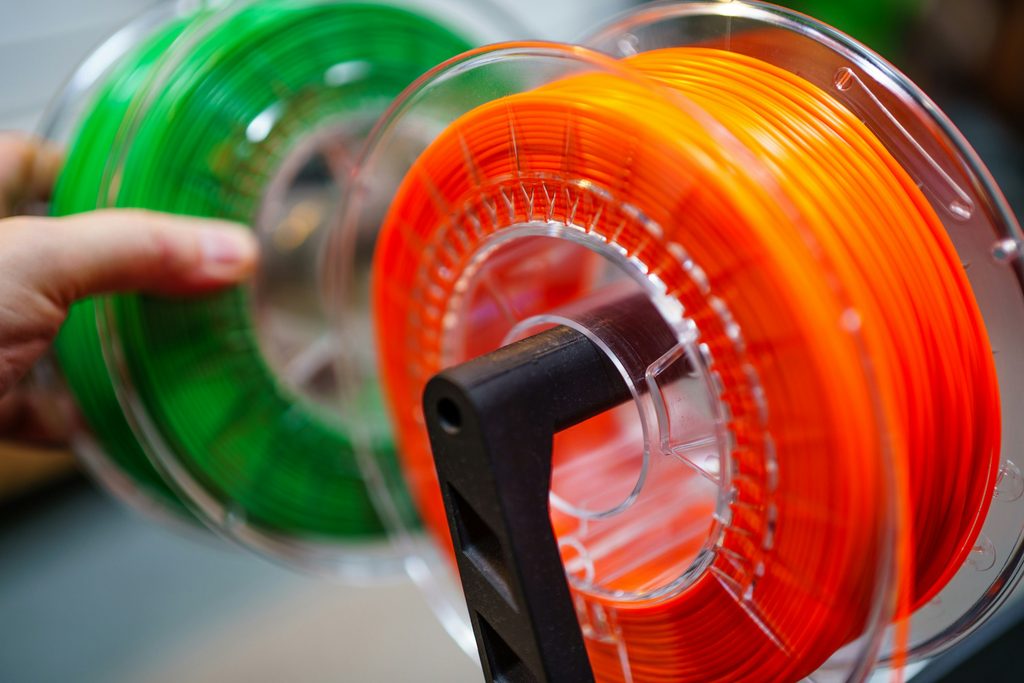
What is PLA+ Filament?
PLA+ filament is a modified form of ordinary PLA and has been developed in order to enhance some of its properties, for example toughness, layer adhesion, and impact resistance; it is generally used in FDM 3D printing and functions in the same way as standard PLA.
The key point is that PLA+ includes extra ingredients which alter its performance, but since the exact composition differs from manufacturer to manufacturer, not all PLA+ filaments provide the same advantages.
PLA+ can be used for making functional prototypes, brackets, household accessories, and other projects that demand a greater degree of durability than ordinary PLA offers. While it is still fairly easy for beginners, some brands may demand different printing temperatures or settings.
What is PLA+ filament composed of?
The PLA+ filament is mainly made up of polylactic acid, the same polymer found in ordinary PLA; however, the manufacturers enhance the properties of the material by including other ingredients.
The material may contain impact modifiers, plasticizers, or other polymers and the precise composition is generally kept secret since the manufacturers are not always willing to reveal all the ingredients.
As different types of material have different properties, it is advisable to refer to the manufacturer’s specifications when selecting a spool. For example, some PLA+ products are designed with toughness in mind, whereas others highlight strength, flexibility, or improved layer bonding.
How to dry PLA+ Filament
It is just like standard PLA that PLA+ can absorb moisture from the air around it; moist filament may cause popping noises when printing, lead to a rough surface, result in stringing, or cause inconsistent extrusion.
When drying PLA+ filament, use a specialised filament dryer and adhere to the manufacturer’s suggested temperature and drying time. Too much heat should be avoided since the filament could soften or deform.
When drying is finished, keep the spool in a sealed container together with desiccant so that moisture does not accumulate once more.
How to Store PLA+ Filament
Storing it properly will help to keep the PLA+ filament in good condition and reduce printing problems caused by moisture.
Make use of airtight containers: keep the spool away from humid air.
Add some silica gel: this desiccant has the function of absorbing moisture from within the container.
Avoid both heat and sunlight: keep the filament in a cool and dry place.
After each printing session, Reseal should store the filament.
These simple practices will help to keep your filament in good condition, especially in humid environments.
How to Recycle PLA+ Filament
Recycling PLA+ is more complicated than recycling ordinary PLA since the additives it contains and its exact make-up differ from one brand to another.
Certain specialist recycling facilities will take some PLA-based materials, and filament recycling machines are capable of turning appropriate scraps into reusable material. The problem is that recycled filament will not have the same printing properties as new filament.
Before you get rid of PLA+ waste, make sure to check the local recycling rules. You should not assume that PLA+ is appropriate for normal recycling or composting just because it is based on PLA.
Final Thoughts
If you’re looking for some of the convenience of ordinary PLA along with possibly better toughness and durability, then PLA+ filament is worth considering. That said, the performance of it varies according to the manufacturer’s formulation, so it’s necessary to check the product specifications before making the purchase.
If you learn the correct way of drying, storing and recycling PLA+, you’ll be able to keep the quality of your filament and achieve more consistent results with your 3D printing projects.
Want to learn more about 3d printers? Click here.
Want to learn more about filaments? Click here.