
PLA filament is one of the most commonly used materials in 3D printing, particularly among people who are just getting started. It is cheap, easy to print using, and comes in a wide range of colors. However, what exactly is PLA filament, what is it composed of, and how should it be kept? The following guide looks at the basics of PLA filament and explains how to use it correctly.
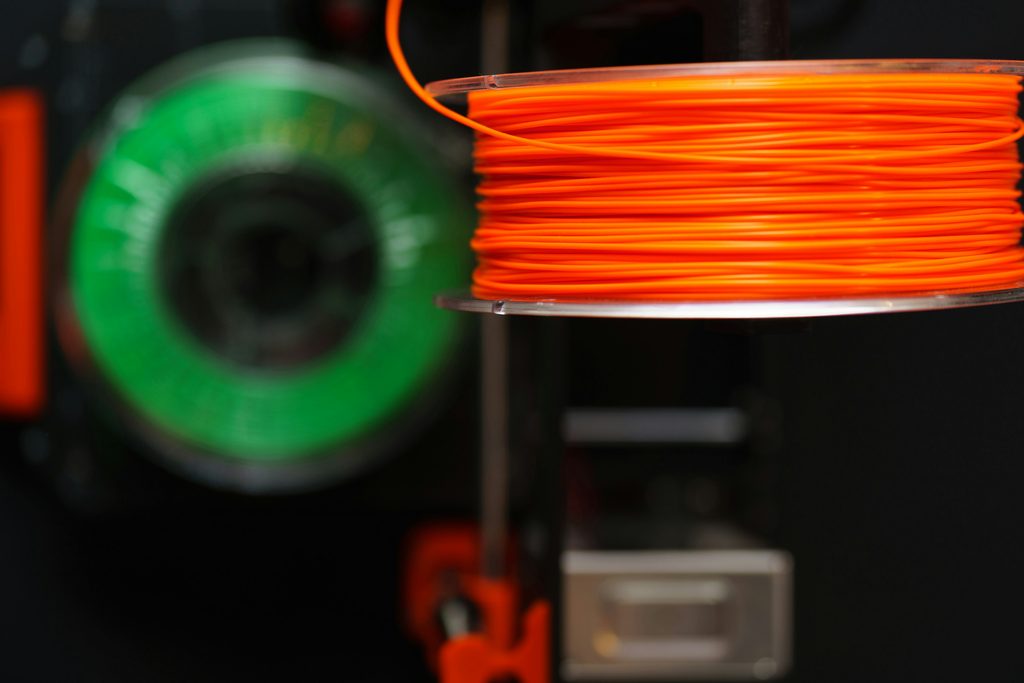
What is PLA Filament?
PLA is an acronym for polylactic acid, a type of thermoplastic that is frequently used in FDM 3D printing; it is available as a thin strand of plastic which the 3D printer melts down and lays down layer by layer to make objects.
PLA is popular since it generally prints at relatively low temperatures and gives detailed results with little warping. It is appropriate for decorative models, prototypes, and ordinary hobby projects. The material, however, has limited heat resistance and may therefore not be suitable for objects that are exposed to high temperatures.
What is PLA filament composed of?
PLA filament is mainly composed of polylactic acid, a polymer which can be manufactured from renewable materials such as corn starch or sugarcane.
The plants produce sugars that can be turned into lactic acid, which is subsequently converted into a polymer. In addition, manufacturers can include pigments and other additives in order to alter the colour, flexibility, or printing characteristics of the filament.
Even though PLA is based on plants, it does not spontaneously decompose under normal outdoor conditions and some PLA products need to be composted in industrial composting facilities in order to break down effectively.
How to dry PLA Filament
The PLA may take in moisture from the air, which can lead to popping noises, a rough surface, and inconsistent printing.
When drying PLA filament, it is necessary to use a specialised filament dryer and to adhere to the manufacturer’s suggested temperature and drying time. Too much heat should be avoided since PLA may soften or deform. Once it has been dried, the filament should be kept in a sealed container to stop moisture from getting back into it.
How to store PLA Filament
Storing the filament properly will help to keep its quality and avoid printing problems caused by moisture.
- Put the filament in airtight containers so that it doesn’t come into contact with humid air.
- Add some silica gel since the desiccant serves to absorb the moisture within the container.
- Stay away from heat and sunlight: keep the spools in a cool and dry place.
- After each printing session, Reseal should put the filament away by reopening the spools.
It is particularly useful to employ these practices in humid environments.
How to Recycle PLA
The method for recycling PLA will vary according to the recycling facilities available in your area, since most standard recycling schemes do not take PLA, so it is important to check the local guidelines before getting rid of it.
Certain specialist facilities will take PLA waste, and filament recycling machines are capable of converting appropriate scraps into reusable material. Additionally, you can reuse failed prints for the purpose of testing or calibration.
It should be noted that just because something is biodegradable does not mean that PLA can go in any compost bin; most PLA products need specific conditions in order to break down effectively.
Final Thoughts
PLA filament is a material that is easy for beginners to use and thus makes 3D printing more accessible and convenient. If you know what it is made of and have learned how to dry it, store it, and recycle it, you will be able to keep the quality of the filament high and at the same time reduce waste. When looked after properly, PLA is a great material for learning and for carrying out experiments with 3D printing.
Want to learn more about 3d printers? Click here.
Want to learn more about filaments? Click here.